
This laboratory investigates the molecular, electrophysiological, and psychological mechanisms underlying memory, sleep, and dreaming. We employ three different experimental models to explore the following topics:
1) Humans:
1.1) The use of naps in the school environment to enhance learning in children and adolescents, with a focus on literacy and large-scale interventions;
1.2) Effects of psychedelic substances on the human brain, with an emphasis on the reverberation of sensory stimuli, synesthesia, and comparisons with different sleep stages;
1.3) Underlying mechanisms of adaptation promoted by sleep and dreams after the simulation of prey-predator confrontations in video games;
1.4) Effects of cannabis consumption on sleep and dreams;
1.5) Effects of cannabis consumption on cognition in elderly individuals, with a focus on mild dementia and quality of life;
1.6) Neural mechanisms underlying lucid dreaming;
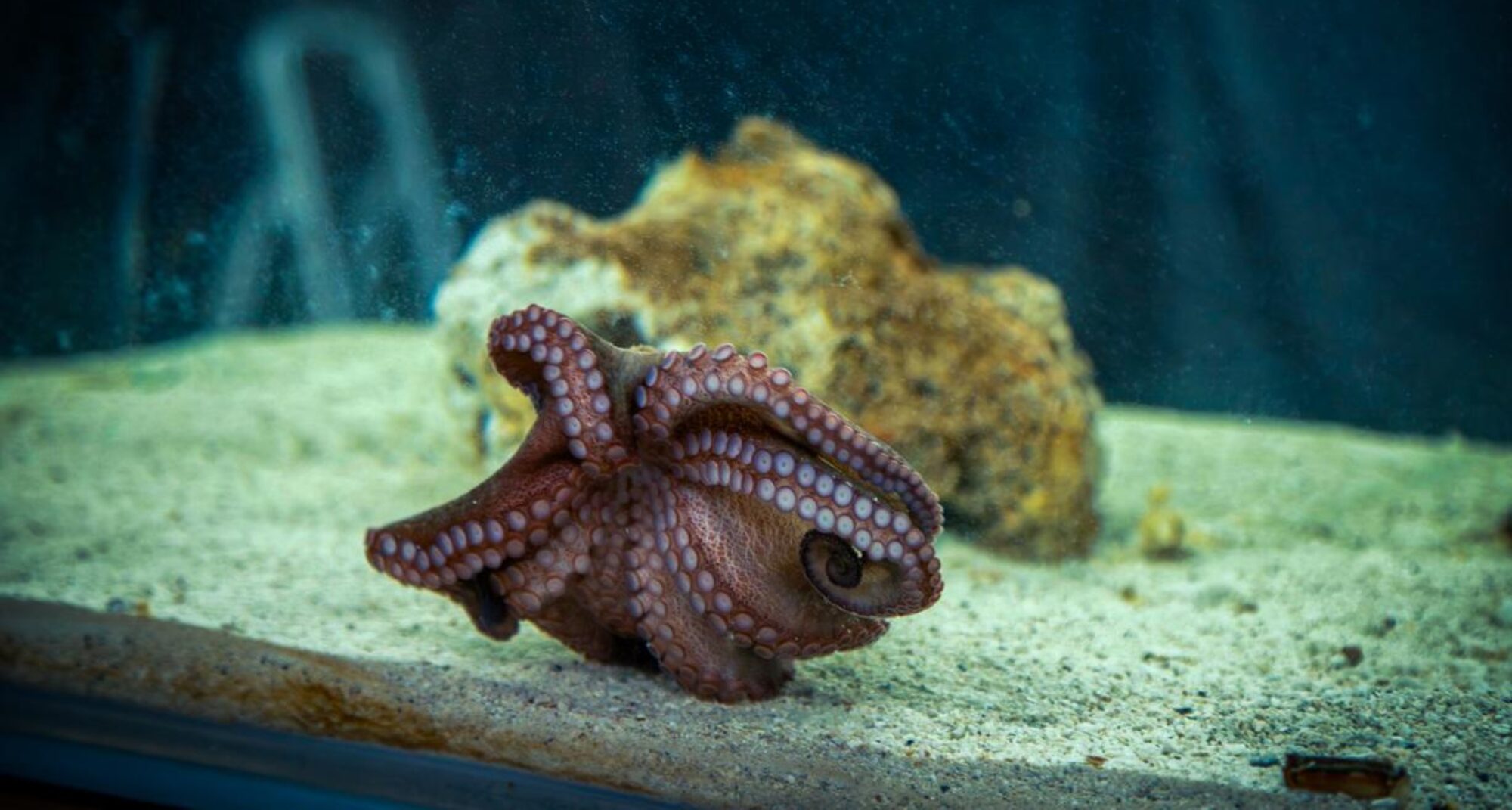
2) Octopuses:
Relationship between learning and different sleep stages;
3) Rodents:
Memory consolidation during sleep, focusing on experience-dependent synaptic plasticity and interactions between the hippocampus and cerebral cortex.